

olympus tough tg-610 manual
Olympus Tough TG-610 Manual: A Comprehensive Guide
This manual details the Olympus TG-610’s features, offering guidance from initial setup to advanced shooting techniques, ensuring optimal performance and longevity for users․
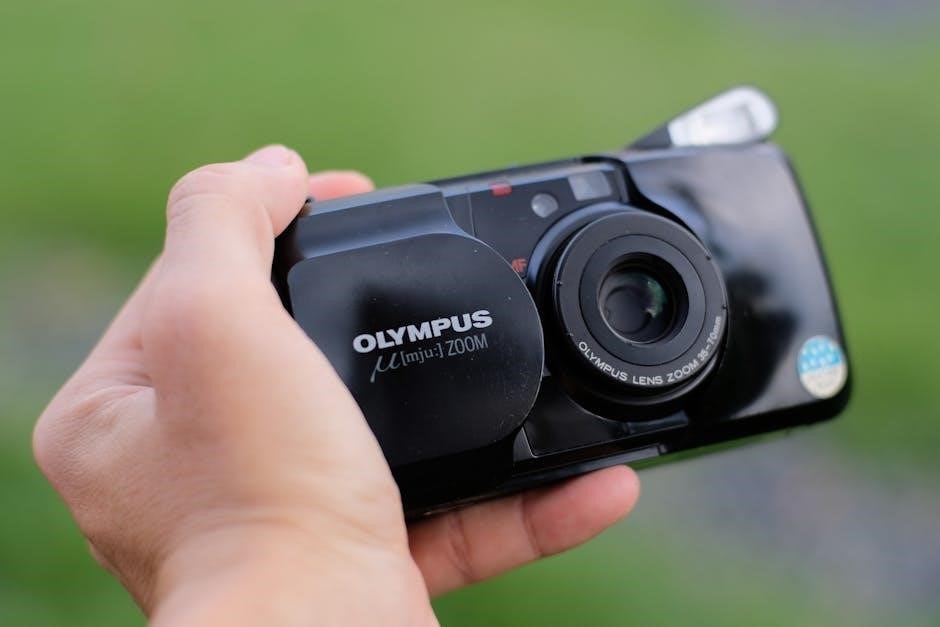
Welcome to the world of rugged photography! The Olympus Tough TG-610 is engineered for adventure, boasting waterproof capabilities down to 16ft (5m), shockproof resilience up to 5ft (1․5m), and freezeproof operation down to 14°F (-10°C)․ This guide serves as your companion, unlocking the full potential of this durable camera․
Before diving in, familiarize yourself with this manual to maximize performance and extend the camera’s lifespan․ It covers everything from initial setup and basic operations to advanced shooting modes and customization options․ Thank you for choosing Olympus!
Understanding the Camera’s Key Features
The Olympus TG-610 excels in challenging environments․ Its robust construction provides exceptional durability, making it ideal for outdoor enthusiasts․ Key features include a bright LCD screen for clear visibility, a versatile mode dial for easy shooting selection, and intelligent auto modes for effortless image capture․
Furthermore, the camera offers macro capabilities for detailed close-up shots and is compatible with Olympus Image Share software for convenient image transfer and editing․ Explore these features to unleash your creativity!
Getting Started
Begin your journey with the TG-610! This section guides you through unboxing, battery charging, and memory card insertion for immediate use․
Unboxing and Initial Setup
Welcome to the world of the Olympus Tough TG-610! Upon opening the box, carefully inspect the contents․ You should find the TG-610 camera body, a USB cable for data transfer and charging, and this comprehensive instruction manual․ Additionally, locate any included warranty information or quick start guides․ Before powering on, ensure all packaging materials are removed․
Initial setup involves selecting your preferred language and setting the date and time․ These settings are accessible through the camera’s menu system․ Take a moment to familiarize yourself with the button layout and overall camera feel․ Proper initial setup ensures a smooth and enjoyable photographic experience․
Charging the Battery
To charge the Olympus TG-610’s battery, connect the provided USB cable to the camera and a powered USB port or a USB power adapter․ A charging indicator light will illuminate, typically red while charging and turning off or changing color when complete․
Allow approximately 2-3 hours for a full charge․ It’s recommended to fully charge the battery before first use․ Avoid using the camera while the battery is charging․ Only use the supplied USB cable or an Olympus-approved replacement to prevent damage․ Proper charging ensures optimal battery life and camera performance․
Inserting and Formatting Memory Cards
The Olympus TG-610 utilizes SD memory cards for image storage․ Locate the memory card slot, typically on the camera’s side, and insert a compatible SD card until it clicks into place․ Avoid forcing the card․
Formatting the card within the camera’s menu is recommended for optimal performance and compatibility․ This erases all data on the card, so back up important files beforehand․ Formatting ensures the card is recognized correctly and prevents potential errors during shooting․ Use caution when formatting!
Basic Operations
Mastering fundamental controls is key․ This section covers powering the camera, navigating menus, and understanding the mode dial for seamless operation․
Powering On and Off
To power on your Olympus TG-610, locate the power button – typically found on the top panel of the camera․ Press it firmly; the LCD screen will illuminate, indicating the camera is active and ready for use․ A startup sequence may briefly display․
To turn the camera off, press the same power button again․ The LCD will darken, and the camera will enter standby mode․ Ensure the camera is fully powered down to conserve battery life when not in use․
Automatic power-off features are also present to further extend battery duration․ The camera will automatically shut down after a period of inactivity, configurable within the menu settings․
Navigating the Menu System
The Olympus TG-610’s menu system is accessed via the ‘Menu’ button, usually located on the rear panel․ Pressing this button displays a series of tabs representing different settings categories – shooting, playback, and setup are common examples․
Use the directional buttons (or the jog dial, if equipped) to highlight desired menu options and press the ‘OK’ or ‘Set’ button to confirm your selection․ Navigate back to the previous menu using the ‘Back’ or ‘Menu’ button again․
Explore the menu thoroughly to customize camera settings and unlock its full potential․
Using the Mode Dial
The Mode Dial, typically found on the top of the TG-610, is central to selecting shooting modes․ Rotating the dial allows quick access to options like Auto, Scene Modes (Portrait, Landscape, Macro), iAuto, and Program Auto․
‘Auto’ mode simplifies shooting, letting the camera handle all settings․ Scene Modes optimize settings for specific situations․ iAuto intelligently detects the scene and adjusts accordingly․ Experiment with each mode to understand its benefits․
Familiarize yourself with the dial’s positions for efficient operation․
Shooting Modes
The TG-610 offers diverse shooting modes, including Auto, Scene Modes, and iAuto, catering to both beginners and experienced photographers for varied conditions․
Auto Mode for Beginners
Auto Mode simplifies photography for newcomers, automatically adjusting settings like exposure and white balance․ This intelligent mode analyzes the scene and selects optimal parameters, ensuring well-exposed and vibrant images with minimal user input․ It’s perfect for everyday snapshots and situations where quick, hassle-free shooting is desired․ The camera handles the technical complexities, allowing you to focus on composition and capturing the moment․
For those unfamiliar with camera settings, Auto Mode provides a straightforward experience, delivering consistently good results without requiring extensive knowledge of photographic principles․ It’s an excellent starting point for learning and exploring the camera’s capabilities․
Scene Modes (Portrait, Landscape, etc․)
The TG-610 offers a variety of Scene Modes tailored for specific shooting conditions․ Portrait mode optimizes settings for flattering skin tones and blurred backgrounds, while Landscape mode enhances colors and sharpness for expansive vistas․ Other modes include Sport, Night Scene, and Macro, each pre-configured for optimal results in its respective scenario․
These modes simplify complex settings adjustments, allowing users to achieve professional-looking photos without manual expertise․ Selecting the appropriate scene mode ensures the camera prioritizes the correct parameters, delivering consistently impressive images in diverse environments․
iAuto Mode: Intelligent Automatic Settings
The iAuto mode on the TG-610 represents Olympus’s intelligent automatic system․ It analyzes the shooting environment and automatically selects the most appropriate settings for optimal image quality․ This includes detecting scene types, motion, and even faces, adjusting parameters like ISO, aperture, and shutter speed accordingly․
iAuto simplifies photography for beginners, eliminating the need to understand complex camera settings․ It’s a versatile mode suitable for a wide range of subjects and conditions, consistently delivering well-exposed and sharp photographs with minimal user input․
Advanced Shooting Features
Explore the TG-610’s capabilities with macro and underwater modes, alongside super macro functionality, unlocking creative potential for detailed close-ups and aquatic photography․
Macro Photography Capabilities
The Olympus TG-610 excels in close-up photography, offering remarkable macro capabilities for capturing intricate details․ This camera allows you to focus on subjects extremely close to the lens, revealing textures and patterns often unseen by the naked eye․ Utilize the dedicated macro mode to explore the miniature world around you, from flowers and insects to everyday objects․
Experiment with different angles and lighting to enhance your macro shots․ The TG-610’s super macro mode takes this even further, enabling incredibly detailed images of tiny subjects․ Remember to stabilize the camera or use a tripod for sharp results at such close distances, minimizing blur and maximizing clarity․
Underwater Shooting Mode
The Olympus TG-610 is renowned for its waterproof design, enabling captivating underwater photography down to 16 feet (5 meters)․ Activate the dedicated underwater mode to optimize camera settings for clear, vibrant images beneath the surface․ This mode adjusts white balance and color reproduction to compensate for the effects of water absorption․
Ensure all seals are secure before submerging the camera․ Consider shooting in bright conditions or using an underwater light for optimal illumination and color accuracy․ Explore the underwater world and capture stunning photos of marine life and coral reefs with this durable and versatile camera․
Super Macro Mode Details
The Olympus TG-610 boasts impressive macro capabilities, allowing incredibly detailed close-up photography․ Super Macro mode lets you focus on subjects just millimeters away from the lens, revealing hidden textures and intricate details․ This mode is ideal for photographing flowers, insects, and other small objects․
Utilize a stable shooting surface or tripod to minimize camera shake at such close distances․ Experiment with different lighting conditions to highlight textures and create visually striking images․ Super Macro mode unlocks a new perspective, revealing the beauty in the miniature world around you․

Camera Settings and Customization
Explore personalized settings, including image quality, ISO sensitivity, and white balance, to tailor the TG-610’s performance to your specific photographic needs and preferences․
Image Quality Settings (Resolution, Compression)
Adjusting image quality is crucial for balancing file size and detail․ The Olympus TG-610 allows users to select various resolution options, impacting the number of pixels in each image․ Higher resolutions capture more detail, ideal for large prints or cropping, but result in larger file sizes․ Conversely, lower resolutions produce smaller files suitable for web sharing or email․
Compression settings further refine file size․ Choose between Fine, Normal, and Economy compression levels․ Fine compression retains maximum image quality with minimal file size reduction, while Economy offers the smallest file sizes at the expense of some detail․ Understanding these settings empowers you to optimize image quality based on your intended use and available storage space․
ISO Sensitivity Adjustment
ISO controls the camera’s sensitivity to light, impacting image brightness and noise levels․ Lower ISO settings (e;g․, ISO 100) are ideal for bright conditions, producing cleaner images with minimal noise․ However, in low-light situations, a higher ISO (e․g․, ISO 800, 1600) is necessary to achieve a proper exposure․
Be aware that increasing ISO introduces noise, which appears as graininess in the image․ The TG-610 offers an Auto ISO mode, allowing the camera to automatically select the optimal ISO setting․ Experimenting with different ISO values helps you find the best balance between brightness and image quality for various shooting scenarios;
White Balance Control
White balance (WB) adjusts colors to appear natural, compensating for different lighting conditions․ Incorrect WB results in color casts – images appearing too warm (yellowish) or cool (bluish)․ The TG-610 offers several WB presets, including Auto, Daylight, Cloudy, Fluorescent, and Incandescent․
Auto WB generally performs well, but for precise color rendition, select the preset matching the light source․ Custom WB allows you to manually set WB using a white or gray card․ Experimenting with WB settings is crucial for achieving accurate and pleasing colors in your photographs, especially in challenging lighting environments․

Playback and Reviewing Images
The TG-610’s LCD screen facilitates easy image viewing, deletion, zooming, and rotation, allowing for quick assessment and management of captured photographs․
Viewing Images on the LCD Screen
To view your captured images, simply press the playback button on the Olympus TG-610․ This will transition the camera into playback mode, displaying the most recently taken photograph on the LCD screen․ You can then navigate through your images using the directional buttons or the zoom lever․
The zoom lever also allows for detailed image magnification, enabling you to check focus and clarity․ Pressing the ‘info’ button toggles between displaying shooting information, such as date, time, and settings, or a clean image view․ Utilize the display options to enhance your reviewing experience․
Deleting Images
To delete unwanted images on your Olympus TG-610, first enter playback mode by pressing the designated button․ Select the image you wish to remove using the directional buttons․ Then, press the menu button and navigate to the delete option․
A confirmation screen will appear; select ‘yes’ to permanently erase the image․ You can also delete multiple images at once by selecting the range deletion option within the menu․ Exercise caution, as deleted images are typically unrecoverable from the camera’s internal memory or memory card․
Zooming and Rotating Images
During image playback on the Olympus TG-610, utilize the zoom control – typically the lever surrounding the shutter button – to magnify details within the image․ Zooming allows for closer inspection of focus and clarity․ To rotate an image for better viewing or correction, access the playback menu․
Within the menu, locate the rotate function and use the directional buttons to adjust the image’s orientation․ This is particularly useful for images captured in portrait mode that appear sideways when viewed on a computer․
Connecting and Transferring Images
Transfer photos from your TG-610 via USB to a computer, or explore Olympus Image Share software for wireless options and streamlined image management․
Connecting to a Computer via USB
To connect your Olympus TG-610 to a computer, use the supplied USB cable․ Ensure the camera is powered off before connecting․ Once connected, power on the TG-610 and select the “USB Connect” option from the camera’s menu․
Your computer should recognize the camera as a removable drive․ You can then browse the camera’s internal storage or memory card to copy desired images and videos․
After transferring files, safely eject the camera from your computer before disconnecting the USB cable to prevent data corruption․ The camera supports standard USB protocols for seamless file transfer․
Using Olympus Image Share Software
Olympus Image Share software facilitates easy image management and editing on your computer․ Download and install the software from the Olympus website․ Once installed, connect your TG-610 via USB as described previously․
The software automatically detects the camera, allowing you to import photos and videos․
Features include basic editing tools, organization options like albums, and direct sharing to social media platforms․ It streamlines workflow, offering a user-friendly interface for enhancing and distributing your captured memories․
Wireless Transfer Options (if applicable)
The Olympus TG-610, depending on the specific model variant, may offer limited wireless transfer capabilities․ Check your camera’s specifications to confirm․ If supported, connect to smartphones via Wi-Fi using the Olympus Image Share app (OI․Share)․
This app enables remote camera control and direct image transfer to your mobile device for instant sharing․
Ensure both camera and smartphone are on the same Wi-Fi network․ Follow the app’s on-screen instructions for pairing and transferring images seamlessly․
Troubleshooting Common Issues
This section addresses frequent problems like power failures, image quality concerns, and memory card errors, providing solutions for a smooth shooting experience․
Camera Not Powering On
If your Olympus TG-610 fails to power on, first ensure the battery is fully charged and correctly inserted․ Try a different, known-good battery if available․ Check the battery compartment for any obstructions or corrosion that might prevent proper contact․
Confirm the power switch is fully engaged․ If the issue persists, attempt a reset by removing the battery and memory card for several minutes, then reinserting them․ A deeply discharged battery might require extended charging time before the camera responds․ If none of these steps resolve the problem, professional service may be required․
Image Quality Problems
If experiencing poor image quality with your TG-610, verify the correct image quality settings are selected in the menu – higher resolution and lower compression yield better results․ Ensure the lens is clean and free of smudges, as these significantly impact clarity․
Check the ISO setting; higher ISO values introduce more noise․ Confirm adequate lighting, as low light conditions necessitate higher ISO or a flash․ Inspect the memory card for errors or corruption․ Finally, review shooting mode selection, as Auto mode may not always optimize for specific scenes․
Memory Card Errors
Encountering memory card errors on your TG-610? First, ensure the card is properly inserted and compatible with the camera – check the manual for supported types․ Attempt formatting the card within the camera to resolve potential file system issues․ If errors persist, try a different memory card to isolate the problem․
Avoid removing the card during data transfer․ Corrupted cards may require recovery software, but data loss is possible․ Regularly back up images to prevent permanent loss due to card failure․
Maintenance and Care
Proper cleaning, battery storage, and protection from the elements will ensure your Olympus TG-610 remains durable and functions optimally for years to come․
Cleaning the Camera Body and Lens
To maintain your Olympus TG-610’s performance, regular cleaning is essential․ Use a soft, dry cloth to wipe the camera body, removing dust and fingerprints․ For stubborn marks, slightly dampen the cloth with water, ensuring no liquid enters openings․
The lens should be cleaned with a lens cleaning tissue and appropriate lens cleaning solution․ Avoid abrasive cleaners or excessive pressure, which can damage the coating․ Gently wipe in a circular motion․ Regularly check for sand or debris, especially after underwater or outdoor use, and carefully remove it with a soft brush․
Always power off the camera before cleaning and avoid using harsh chemicals․
Battery Storage Guidelines
Proper battery storage maximizes the lifespan of your Olympus TG-610’s battery․ When not in use for extended periods, remove the battery from the camera․ Store it in a cool, dry place, avoiding extreme temperatures and direct sunlight․
It’s recommended to charge the battery to around 50% before long-term storage․ Avoid storing a fully charged or completely discharged battery․ Do not store batteries with metal objects, as this can cause a short circuit․
Always use the Olympus-specified charger to avoid damage and ensure safety․
Protecting the Camera from the Elements
The Olympus TG-610 is designed for rugged use, but careful handling extends its life․ While waterproof to 16ft (5m) and shockproof to 5ft (1․5m), avoid unnecessary impacts and prolonged submersion beyond specified limits․
Rinse the camera with fresh water after saltwater exposure to prevent corrosion․ Shield it from extreme temperatures, including prolonged direct sunlight․ Use a protective case or strap for added security during outdoor adventures․
Keep the lens clean and dry, and avoid abrasive cleaning materials․