

sibo diet food list pdf
Discover a printable, offline-friendly SIBO diet food list PDF that simplifies grocery shopping and meal prep. It offers low-FODMAP, bi-phasic guidance, sample plans, and tips for eating out, helping you choose safe ingredients and manage symptoms effectively. Use it daily for consistent relief. :)!!!!
What is SIBO and its Dietary Challenges
Small intestinal bacterial overgrowth (SIBO) is a condition where excessive bacteria colonize the small intestine, disrupting normal digestion and causing bloating, pain, diarrhea, and malabsorption. The overgrowth can be driven by motility disorders, anatomical abnormalities, or impaired gastric acid secretion, allowing bacteria that normally reside in the colon to proliferate in the small bowel. Dietary challenges arise because the excess bacteria ferment carbohydrates that reach the small intestine, producing gas, short‑chain fatty acids, and toxins. The overgrowth can be managed by reducing fermentable substrates while ensuring adequate nutrition. Low‑FODMAP diets limit high‑fermentable foods, but they can be restrictive and may lack variety, leading to nutritional gaps. Hydrogen‑producing SIBO often causes bloating and diarrhea, while methane‑producing SIBO tends to cause constipation and a feeling of fullness. Patients must also navigate the psychological burden of constant dietary vigilance, frequent grocery shopping for specific items, and the social limitations imposed by strict food restrictions. A structured, evidence‑based food list can alleviate these burdens by providing clear guidance on what to eat, what to avoid, and how to adjust intake based on symptom response. By following a curated list, individuals can reduce fermentable foods, symptom changes, and reintroduce items, ultimately restoring balance and improving quality of life. This resource empowers patients to take control of their digestive health. It helps patients regain confidence in daily eating!!
Purpose and Advantages of a Printable Food List PDF

Having a printable SIBO diet food list PDF turns the complex, constantly evolving dietary recommendations into a single, easy‑to‑reference tool. It eliminates the need to search online for every meal idea, allowing patients to keep a copy in their kitchen, on their phone, or in a travel bag. The PDF is designed with clear sections: a low‑FODMAP phase, a bi‑phasic transition, and a personalized restriction list for hydrogen or methane‑producing bacteria. By organizing foods into approved categories—proteins, fats, fruits, vegetables—and listing items to avoid, the document helps users make quick, safe ingredient choices. The advantage is two‑fold: first, it reduces decision fatigue and the anxiety that often accompanies restrictive eating; second, it supports consistent symptom tracking by providing a visual checklist that can be marked daily. Users can compare their symptom diary with the foods they consumed, identify triggers, and adjust the list accordingly. Because the PDF is downloadable, it can be printed in multiple copies for family members or shared with healthcare providers. The offline nature of the file also means that travelers can rely on the same guidance without internet access, making it ideal for restaurants, hotels, or long trips. In short, the printable food list PDF empowers individuals to manage SIBO with confidence, consistency, and convenience. Additionally, the PDF includes a quick‑reference cheat sheet that summarizes key foods, portion sizes, and cooking tips, making it an indispensable companion for navigating SIBO daily.today

Key Features of the SIBO Food List PDF
The SIBO Diet Food List PDF is engineered to streamline dietary management for individuals with small intestinal bacterial overgrowth. Its phase‑wise layout separates the initial low‑FODMAP starter phase from the subsequent bi‑phasic maintenance phase, each color‑coded for instant visual recognition. Comprehensive food tables list every approved protein, fat, fruit, and vegetable, complete with portion guidelines, cooking suggestions, and a “yes/no” column that allows users to flag personal tolerances. Dual‑bacteria restriction tables distinguish hydrogen‑dominant from methane‑dominant SIBO, ensuring that the plan adapts to the patient’s microbiome profile. Sample meal‑plan templates illustrate how to combine foods within each phase, reducing guesswork and encouraging consistency. An embedded grocery‑list sidebar organizes items by aisle, so shoppers can quickly select only phase‑appropriate products. A symptom‑tracking sheet links daily food intake to symptom severity, enabling data‑driven adjustments. Quick‑reference cards provide travel and eating‑out tips, advising on menu choices, substitutions, and how to communicate needs in restaurants. The PDF is fully printable in color or black‑and‑white and can be shared electronically with dietitians or support groups. It is linked to an online repository, so users receive the latest research‑based updates without re‑download. Accessibility features such as high‑contrast text, large fonts, and a simplified layout make the document usable for all readers, including those with visual impairments. Together, these features create an adaptable, evidence‑based tool that empowers patients to manage SIBO symptoms confidently and consistently. daily
How to Access and Download the PDF
To obtain the SIBO Diet Food List PDF, visit the official resource portal hosted by the National Digestive Health Foundation. Navigate to the “Resources” section and locate the “SIBO Diet Food List PDF” link. A short registration form requests your name, email, and a brief statement of your SIBO type (hydrogen or methane). After submitting, you receive an instant download link via email and a copy stored in your account dashboard. For users who prefer a direct link, the foundation offers a QR code on the landing page that scans to a secure HTTPS download. The file is compressed to 2.3 MB and opens in any standard PDF reader. If you encounter compatibility issues, the site provides a lightweight viewer that runs in the browser. The PDF is updated quarterly; a notification banner appears on the portal whenever a new version is released. You can also subscribe to the monthly newsletter to receive the latest version directly in your inbox. Once downloaded, you may print the document in color or black‑and‑white, or save it to a cloud drive for offline access. The portal’s help center offers a step‑by‑step tutorial video, FAQs, and a live chat support window for troubleshooting. By following these steps, you ensure that you always have the most current, evidence‑based food list at hand, ready to guide your meal planning and grocery shopping without the need for constant online searches.Feel empowered to tailor this list, consult your clinician, and share insights with support groups to refine your journey.

Core Sections of the SIBO Food List PDF
The PDF is structured into clear sections: an introductory overview of low‑FODMAP basics, a bi‑phasic plan for hydrogen or methane SIBO, a detailed food matrix listing approved proteins, fats, fruits, and vegetables, and a restriction chart marking foods to avoid. Sample menus and shopping lists follow. now.!soon
Phase‑wise Food Categorization (Low‑FODMAP & Bi‑Phasic)
In the bi‑phasic SIBO diet, foods are grouped into two distinct phases to target the specific microbial milieu—hydrogen‑producing or methane‑producing bacteria. Phase One focuses on strict low‑FODMAP intake, eliminating fermentable carbohydrates that fuel bacterial overgrowth. Phase Two relaxes restrictions, allowing select high‑FODMAP items that are tolerated once the gut environment stabilizes. Each phase contains a curated list of proteins, fats, fruits, and vegetables, with clear labeling of acceptable portions and cooking methods. The PDF provides a color‑coded key: green for “always safe,” yellow for “use sparingly,” and red for “avoid.” This visual aid helps users quickly scan grocery aisles and meal prep menus. Additionally, the document includes a daily rotation schedule, ensuring balanced nutrient intake while preventing re‑exposure to problematic substrates. By following the phase‑wise structure, patients can systematically test tolerance, track symptom changes, and gradually expand their diet without compromising gut health. The approach is evidence‑based, drawing from recent studies linking specific FODMAPs to hydrogen or methane dominance. Users are encouraged to record their responses in the accompanying symptom diary, enabling personalized adjustments. The PDF’s layout is user‑friendly, with printable tabs for each phase, so you can keep a copy in your kitchen or carry it on the go. This organized framework empowers individuals to regain control over their digestive well‑being through informed, phase‑specific food choices.

Approved Food Categories: Proteins, Fats, Fruits, Vegetables
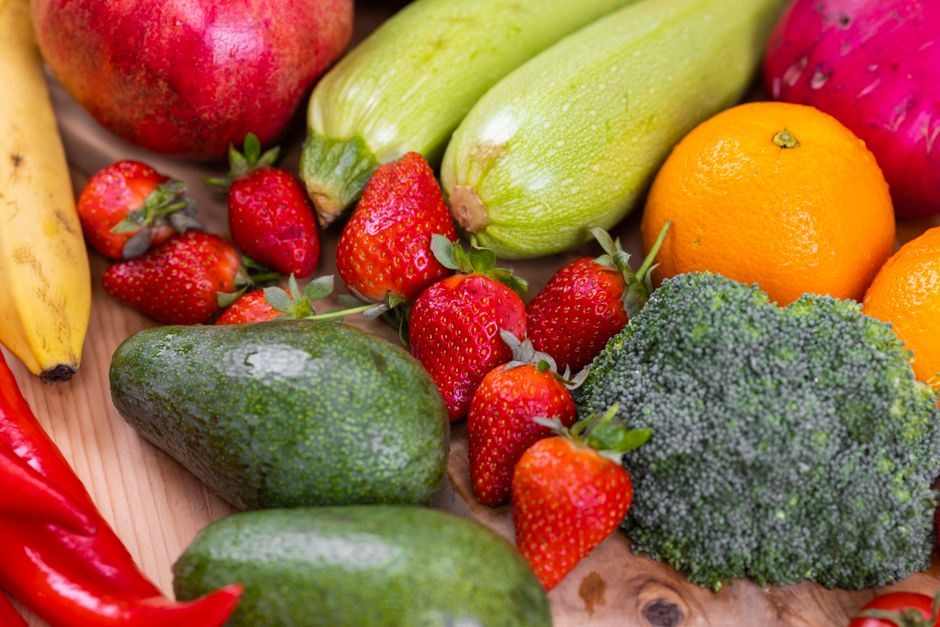
Approved foods form the backbone of a successful SIBO diet. The PDF lists safe proteins, healthy fats, low‑FODMAP fruits, and tolerated vegetables, each with portion guidelines and prep tips. Protein choices include lean poultry, fish, eggs, tofu, and tempeh, all free from fermentable sugars. Fats are limited to monounsaturated and omega‑3 sources—olive oil, avocado oil, and small amounts of coconut oil—while saturated fats stay minimal. Low‑FODMAP fruits such as blueberries, strawberries, and kiwi are highlighted, with notes on ripeness and serving size to avoid excess fructose. Vegetables are split into cooked and raw categories; cooked carrots, zucchini, spinach, and eggplant are safe, whereas raw cruciferous varieties are flagged for caution. The PDF includes a “quick‑reference” icon system: green for “always safe,” yellow for “use sparingly,” and red for “avoid.” Patients can maintain nutrient adequacy while minimizing bacterial fuel, leading to reduced bloating, gas, and abdominal discomfort over time.
For protein, the PDF recommends specific cuts: skinless chicken breast, turkey thighs, and lean cuts of beef or pork, each cooked without added high‑FODMAP sauces. Eggs are safe when poached or scrambled; avoid custards. Plant proteins like tempeh can be marinated in low‑FODMAP herbs, but soy sauce should be omitted. Fish options include salmon, cod, and sardines, providing omega‑3 fatty acids. Fats should be consumed in moderation; a tablespoon of olive oil per meal is sufficient. Avocado is allowed in small portions, but the seed and skin are discouraged. For fruits, acceptable portions: up to ½ cup of berries, 1 small banana, or 1 cup of diced melon. Vegetables like zucchini, carrots, and spinach can be steamed, roasted, or sautéed; raw broccoli and cauliflower are best avoided. Individuals can reduce fermentable load, improve gut motility, and experience lasting symptom relief!!.
Hydrogen‑producing SIBO thrives on fermentable carbs such as onions, garlic, wheat, rye, legumes, apples, pears, and mango. Avoid dairy with lactose, sorbitol, and processed foods with maltodextrin or high‑fructose corn syrup.

- Hydrogen‑SIBO: Avoid high‑FODMAP foods like onions, garlic, wheat, rye, legumes, apples, pears, mango, and stone fruits. Also steer clear of dairy with lactose, sorbitol, and processed foods with maltodextrin or high‑fructose corn syrup.
- Methane‑SIBO: Avoid high‑fructose fruits like apples and pears, and any sweeteners that are not fully absorbed. Also limit high‑fiber foods such as asparagus, cauliflower, broccoli, cabbage, beans, lentils, and whole grains.
Both groups should limit foods that cause bloating, such as fried items, high‑fat meats, and sugary desserts. The PDF notes that tolerance varies; a symptom diary helps fine‑tune the avoidance list. By strictly following the hydrogen or methane avoidance list, patients can reduce gas, improve transit time, and achieve a clearer gut. The printable PDF makes it simple to check items off while shopping or cooking, ensuring you stay on track with the right restrictions for your specific SIBO type. The guide includes a quick‑reference chart that highlights safe foods, those to use sparingly, and those to avoid, letting you adapt the diet as symptoms evolve.
Applying the SIBO Food List PDF to Everyday Life
Use the printable PDF to plan weekly menus, shop with checklists, and adapt. Keep a symptom log to tweak portions. When dining out, request low‑FODMAP options and verify ingredients. Travel by packing snacks and using the PDF as a quick reference hydrated and consult your clinician for tweaks us Stay!!!!!!
Meal Planning and Grocery Shopping Tips
Start by reviewing the SIBO Diet Food List PDF’s phase‑wise categories. Create a weekly menu that alternates low‑FODMAP proteins, approved fats, and safe fruits and vegetables, ensuring each meal stays within the recommended portion sizes. Use a color‑coded grocery list: green for allowed items, yellow for cautionary foods, and red for strict no‑go items. When shopping, stick to the perimeter of the store where fresh produce, meats and alternatives are located, and avoid the aisles with processed snacks and high‑FODMAP sauces. Pack a small bag of snacks—such as a handful of nuts, a low‑FODMAP fruit, or a homemade protein bar to prevent impulse purchases. Keep a symptom diary alongside the PDF; note what you eat, the time of day, and any discomfort that follows. This log helps you identify triggers and adjust the list accordingly. When preparing meals, use the PDF’s suggested cooking methods—steaming, grilling, or sautéing with minimal oil to preserve nutrient integrity while limiting fermentation. Store leftovers in clear containers labeled with the date, and reheat once to avoid bacterial growth. Finally, schedule a weekly review of the grocery list and meal plan, updating it with new low‑FODMAP options discovered in the PDF and removing items that no longer suit your tolerance level. This systematic approach keeps your diet organized, reduces stress, and supports long‑term symptom control.

Eating Out and Travel Strategies
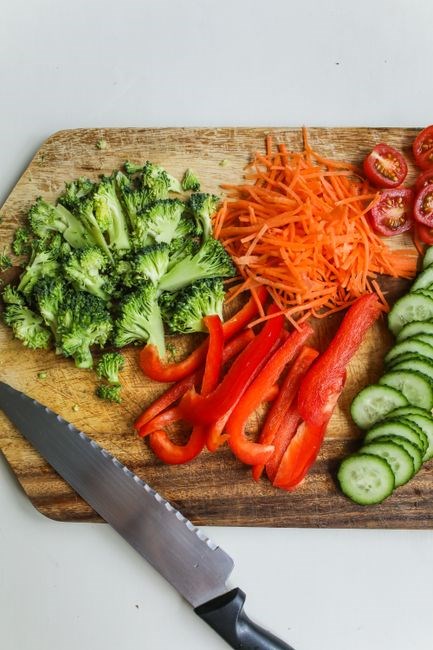
When dining outside or traveling, consult the SIBO Diet Food List PDF to spot safe options quickly. Focus on low‑FODMAP proteins—grilled chicken, fish, eggs—and request plain preparations without garlic or onion sauces. Pair with approved sides such as steamed carrots, zucchini, or a small portion of quinoa. If a salad is offered, choose greens that are low‑FODMAP and ask for dressing on the side; use a light drizzle of olive oil and lemon juice. Pack portable snacks from the PDF—almonds, a banana, or a homemade low‑FODMAP trail mix—to avoid impulse eating. Use the PDF’s “quick‑reference” cheat sheet to scan ingredients on the go. In hotels, ask for a room with a mini‑fridge and microwave to heat pre‑made meals or fresh produce. When ordering take‑out, call ahead and request a low‑FODMAP meal; many places will adjust sauces or seasoning. Keep a symptom log in a notebook or phone app to track how each dish affects you, and adjust future choices accordingly. Practice mindful eating: chew slowly, sip water between bites, and give yourself time to notice any discomfort before finishing a meal. Before traveling, download the PDF to your phone and keep a printed copy in your carry‑on for quick reference. When in unfamiliar restaurants, ask the server for a menu in English or use a translation app to verify ingredient lists, ensuring no hidden high‑FODMAP items are present. If you encounter a borderline dish, consider splitting the portion and pairing it with a low‑FODMAP side to dilute potential irritation. Remember to hydrate well and avoid carbonated drinks. !!
Tracking Symptoms and Adjusting the PDF List

Use the SIBO Diet Food List PDF as a dynamic tool by pairing it with a symptom diary. Record every meal, snack, and beverage, noting portion sizes and preparation methods. After each eating episode, score abdominal pain, bloating, flatulence, and stool consistency on a 0–10 scale. This quantitative data helps identify triggers that may not be obvious in the list. Input the results into a simple spreadsheet or a dedicated app that syncs with the PDF; many free options allow you to tag foods with “trigger” or “safe” labels. Over weeks, patterns emerge: certain legumes or nuts may spike symptoms, while a specific protein source remains tolerable. Adjust the PDF list by moving foods from the “approved” column to a “watch” column, and vice versa, based on your personal response. If a food consistently scores high, consider eliminating it for a trial period of 2–4 weeks, then reintroducing it in a controlled setting to confirm its impact. For methane‑dominant SIBO, focus on reducing fermentable carbohydrates; for hydrogen‑dominant, limit simple sugars. The PDF’s bi‑phasic structure allows you to alternate phases, giving the gut time to reset. Keep the diary updated daily; consistency is key to accurate adjustments. Share your findings with a dietitian or gastroenterologist to refine the plan further. Remember, the goal is a personalized, sustainable diet that keeps symptoms manageable while maintaining nutritional adequacy. Adjusting the PDF list based on real‑time data ensures it evolves with your microbiome, making the guide a living resource. Stay!!! and stay consistent today.